

Cold calling has a reputation problem. Many people associate it with interruptive scripts, awkward pauses, and instant rejection. Yet despite new channels, automation, and AI-driven outreach, cold calling hasn’t disappeared. It’s simply changed.
In 2026, cold calling works when it feels intentional, relevant, and human. Buyers expect you to know who they are, why you’re calling, and what problem you’re trying to solve. When those elements are missing, the call fails fast. When they’re present, cold calling becomes one of the most direct ways to start real business conversations.
This guide focuses on modern cold calling — not volume for the sake of activity, but calls that respect attention and create momentum.
In this article, we will cover:
- What cold calling really means today and when it still makes sense
- How to prepare before making a cold call
- Proven cold calling techniques that improve outcomes
- Common mistakes that stop calls from working
- How tools and follow-ups support long-term results
What Is Cold Calling (And Why It Still Matters)
Cold calling is the act of reaching out to potential customers who have no prior interaction with your business or the salesperson. It is a form of sales solicitation from businesses to customers who’ve never interacted with the salesperson making the call. Cold calling is considered one of telemarketing's oldest forms and is a proactive telemarketing and outbound calling strategy used for lead generation and prospecting. While modern cold calling relies on context, research, and timing, it has evolved into a more sophisticated outreach method that involves creating targeted lists and personalizing the value proposition.
Cold calling has a bad reputation, often being viewed negatively due to its association with unsolicited calls and potential scams. Many people see it as intrusive, and it is traditionally linked to rejection and discomfort. Despite this, cold calling can still hold value in modern sales strategies when executed properly.
The reason cold calling still matters is simple: it creates direct access. Emails get ignored. Ads get skipped. Algorithms decide who sees what. A phone call cuts through that noise and gives you a chance to have a real conversation — if you earn it. Cold calling requires persistence and resilience from salespeople due to its challenging nature and low success rate compared to other sales tactics. However, despite its challenges and declining popularity, cold calling remains an important technique for generating leads and should be part of any salesperson's arsenal.
Cold calling works best when:
- You’re selling a complex or high-consideration product
- Decision-makers are hard to reach through inbound channels
- Timing and relevance matter more than volume
It fails when it’s treated as a numbers game with no personalization.
Preparing for a Cold Call
The success of a cold call is usually decided before the phone rings. Preparation doesn’t mean memorizing a script. It means understanding who you’re calling and why the conversation should matter to them. Preparing for the cold calling game involves more than just memorizing a script; it requires the strategic use of CRM tools to manage customer contact lists, phone numbers, and company names, ensuring you have all the relevant information at your fingertips.
When preparing, ask yourself:
- Who is the potential lead or potential prospect?
- What is their job title and company name?
- What are their likely needs or pain points as a customer?
- Why would this customer want to talk to you?
- How can you personalize your approach to build credibility and relevance?
Sales teams can benefit from using historical data in their CRM to create cold call lists that are likely to be of higher value. By compiling customer information and analyzing past interactions, you can target phone numbers and contacts that have a higher chance of converting, making your cold calling efforts more efficient and effective.
Researching Your Prospect
Even minimal research improves call quality. Identifying the prospect’s job title, company name, and phone numbers allows you to personalize your cold call and build credibility. Knowing a prospect’s role, company size, or recent activity helps you avoid generic openings and frame the call with relevance. Successful cold-call salespersons also research the demographics of their prospects to identify consumers likely to respond positively to their pitches.
It's important to distinguish between a potential lead—someone who has not yet been engaged—and a potential prospect, who may have the authority or influence to make purchasing decisions. Research helps qualify these individuals and target your outreach effectively. Additionally, checking for any prior interest or previous contact can help tailor your approach and increase your chances of success.
Preparation should answer three questions:
- Who is this person and what do they care about at work
- Why might this problem matter to them specifically
- Why is now a reasonable time to reach out
When you skip this step, your call sounds like every other one they ignore.
Defining Your Call Objective
Every cold call should have a single, realistic goal. An important distinction to remember is that the desired outcome of a cold call is rarely closing a deal. Instead, the first call is about setting the stage for further contact and moving the prospect forward in the process.
Common objectives include:
- Confirming whether the problem is relevant
- Identifying the right decision-maker
- Securing permission for a follow-up conversation
Following up after a cold call is essential, as many meetings are not booked on the first call. Clear objectives keep the call focused and reduce pressure on both sides.
Generating Cold Leads
Generating cold leads is the foundation of any successful cold calling process. It’s about finding potential customers who haven’t yet shown interest in your product or service, but fit your target market. Cold callers use a mix of strategies to build their lists: purchasing contact lists, researching companies online, and leveraging social media to identify decision makers.
A strong cold calling script and a clear understanding of your target market are essential for effective lead generation. The more relevant your list, the better your chances of having an effective cold call. Sales teams often rely on CRM software to organize cold leads, track interactions, and make it easier to start cold calling with confidence. The goal isn’t just to call more people—it’s to call the right people, with the right message, at the right time.
Cold Calling Techniques That Actually Work
Once the call begins, technique matters more than persuasion. The strongest cold calls feel like conversations, not pitches. Building relationships and maintaining the human touch are essential—sales reps should focus on a consultative, conversational approach that establishes trust and rapport with prospects. Practicing active listening during cold calls not only builds trust but also encourages prospects to continue the conversation.
Key points for effective cold calling include timing your calls strategically, preparing a flexible script, and maintaining persistence despite rejection. These cold calling tips help sales reps and the sales team overcome challenges and increase their chances of sales success. Combining cold calls with email outreach and social selling creates a more effective multi-channel sales prospecting strategy, allowing your sales team to reach prospects through multiple touchpoints and maximize results.
Opening the Call Without Sounding Like a Cold Calling Script
The first seconds set the tone. Start with a polite greeting such as "good morning" to establish rapport and professionalism. Adding this human touch in your opening helps set a positive tone and makes the conversation feel more personal, which is often missing in cold emails. Strong openings are honest and direct. They explain who you are, why you’re calling, and acknowledge that the call is unexpected.
Whenever possible, use a local area code when calling, as prospects are significantly more likely to answer calls from a familiar local number than from an unfamiliar long-distance one.
Avoid clever hooks or exaggerated claims. Most prospects value clarity over creativity.
A good opening answers:
- Who you are
- Why you’re calling them specifically
- What the call is about
That alone earns more patience than most scripts.
Asking the Right Questions
Cold calling isn’t about talking more. It’s about listening early.
Open-ended questions help uncover whether the conversation should continue. They shift the focus from your product to the prospect’s reality and help you understand the customer's needs, building trust with the prospective customer.
Effective questions:
- Explore current challenges
- Reveal priorities or constraints
- Invite the prospect to speak first
Practicing active listening during cold calls builds trust and encourages the prospective customer to engage and share more information.
When people talk, resistance drops.
Handling Objections Calmly
Objections aren’t personal. They’re signals.
Common responses like “not interested” or “no time” often mean the value wasn’t clear yet. The goal isn’t to push back aggressively, but to acknowledge the objection and decide whether it’s worth continuing.
Sometimes the best move is to thank them and end the call. Respect builds more credibility than persistence.
Cold Email and Cold Calling
Cold email and cold calling are two of the most common ways to reach new potential customers. Both methods involve reaching out to people who haven’t had prior contact with your business, but they do it in different ways. Cold calling means making unsolicited phone calls, while cold emailing involves sending messages directly to a prospect’s inbox.
Each approach has its strengths. A phone call allows cold callers to practice active listening, respond in real time, and build rapport quickly. Cold emails, on the other hand, give prospects time to consider your sales pitch and respond at their own pace. The most effective sales teams use both methods together, creating a multi-channel lead generation strategy that increases the chances of connecting with the right person. By combining calling and email outreach, you can reach more potential customers and adapt your approach to their preferences.
Common Cold Calling Mistakes to Avoid
Cold calls fail for predictable reasons. Avoiding these mistakes often matters more than perfect technique.
The most common issues include:
- Relying on rigid scripts that sound unnatural
- Talking too much and listening too little
- Calling without a clear reason or outcome
- Ignoring tone, pacing, and timing
- Calling from unknown numbers, which can make prospects suspicious or associate your call with scams, reducing your chances of success
Research indicates that cold calling has a low success rate, with only about 2% of cold calls resulting in an appointment. It often takes many calls to set just one appointment, making cold calling a true numbers game. Many sales professionals dread cold calling due to the fear of rejection and failure, and they often face varied responses, including hang-ups and even verbal attacks.
Prospects don’t reject calls. They reject irrelevance.
Using Tools to Support Cold Calling
Cold calling works best as part of a system, not as an isolated activity. Tracking conversations, context, and follow-ups prevents repetition and helps personalize future outreach.
In the cold calling game, leveraging the right tools is essential for success. CRM systems help sales teams manage customer contact lists, compile customer information, and store crucial phone numbers in the company database. Sales dialers can automate the dialing process, allowing reps to efficiently call through their lists and connect only when someone answers, increasing call volume and efficiency. Cold calling tools can also automate mundane tasks like dialing numbers, logging call details into CRMs, and scheduling follow-ups. A powerful CRM can help track cold calling metrics, monitor progress in the sales pipeline, and analyze real-time results. Additionally, cold calling software can schedule daily calls and prioritize them based on varying levels of a prospect's engagement, streamlining communication and improving overall performance.
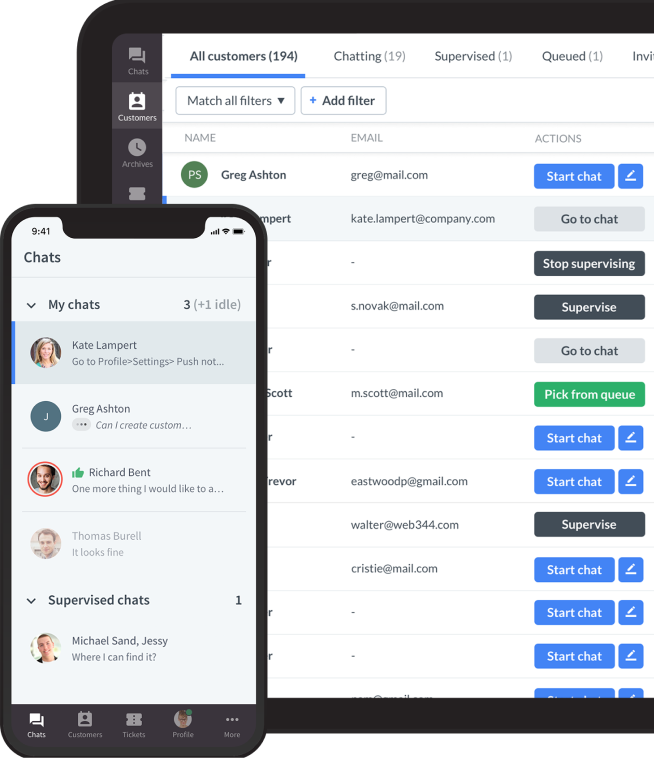
Modern teams rely on shared workspaces where calls, emails, and chat conversations live together. Tools like Text® App help centralize conversation history so follow-ups reference real interactions, not assumptions. That context turns cold outreach into informed continuation.
The goal isn’t automation for its own sake. It’s continuity.
Measuring Success with Cold Calls
To know if your cold calling strategy is working, you need to measure the right things. Sales managers and cold callers track metrics like the number of calls made, the success rate (how many calls lead to a positive outcome), and how many appointments or follow-ups are set.
The quality of your sales pitch, the relevance of your cold calling techniques, and how well you follow up all impact your results. Effective cold callers review their data regularly, adjusting their approach to improve their success rate over time. By focusing on what works and learning from what doesn’t, sales teams can refine their cold calling process and achieve better results with every call.
Following Up After a Cold Call
Most successful cold calls don’t convert immediately. Follow-up is where consistency pays off. Building relationships with prospects through thoughtful follow-ups is essential, as it helps establish trust and rapport rather than just pitching products. Maintaining ongoing engagement increases the chances of further contact and continued relationship building.
Effective follow-ups:
- Reference the original conversation
- Reinforce relevance without repeating the pitch
- Respect timing and attention
Sales success often requires persistence and multiple contacts—studies show that 80 percent of sales happen after the fifth contact attempt. Following up too aggressively kills momentum. Following up thoughtfully builds trust.
Cold Calling Regulations
Cold calling is regulated to protect consumers from unwanted or intrusive calls. In the United States, the Federal Trade Commission (FTC) enforces rules around unsolicited calls, including the National Do Not Call Registry. In the European Union, the General Data Protection Regulation (GDPR) sets strict guidelines for contacting individuals.
Sales teams must stay up to date on these regulations to avoid making calls to numbers on do-not-call lists or violating privacy laws. Ignoring these rules can lead to fines and damage your company’s reputation. Responsible cold callers always check compliance before calling, ensuring their outreach is both effective and ethical.
Cold Calling Statistics
Cold calling has a reputation for being tough—and the numbers back it up. Studies show that the average sales person might make 50 to 100 cold calls a day, with conversion rates often around 2%. That means most calls won’t lead to a sale, but each one is a chance to learn and improve.
Despite these odds, cold calling remains a powerful tool for generating new leads and driving sales. The key is using effective cold calling techniques: build rapport quickly, identify pain points, and deliver a clear, relevant sales pitch. Companies that invest in training and refine their approach often see better results—and recent funding rounds prove that businesses using cold calling as part of their sales strategy can achieve real growth. With the right mindset and methods, even a small increase in conversion rate can make a big difference.
The Future of Cold Calling
Cold calling isn’t disappearing. It’s becoming more selective.
As buyers expect more personalization and context, successful cold calling will rely less on volume and more on preparation, relevance, and timing. AI-supported tools will continue to help teams research prospects, track conversations, and improve follow-ups. For example, using AI tools for personalization, such as scanning a prospect’s digital footprint, can increase meeting conversion rates by up to 36%. However, the human touch remains central, as genuine personal connection is key to engaging prospects effectively and cannot be replaced by automation alone.
The future of cold calling belongs to people who treat it as a conversation, not a tactic.
Conclusion
Cold calling still works when it’s done with intent. Preparation, clarity, and respect matter more than scripts or volume. When cold calls feel relevant and human, they open doors that automated outreach can’t.
Use the techniques in this guide to call fewer people — and have better conversations with the right ones.
FAQ
Is cold calling still effective in 2026
Yes. Cold calling works when it’s targeted, relevant, and focused on conversation rather than pressure.
What’s the biggest mistake in cold calling
Calling without preparation. Generic outreach fails faster than any objection.
How long should a cold call last
Most effective cold calls last two to five minutes unless the prospect wants to continue.
Should I use a script for cold calling
Use a framework, not a script. Sounding natural matters more than perfect wording.
How can tools improve cold calling?
Tools help track context, manage follow-ups, and keep conversations consistent across channels.